
The recent detection of the Potato mop-top virus (PMTV) in Tasmania is a significant moment for Australia’s potato industry. This is the first time this exotic plant virus has been confirmed on Australian soil, and it poses a serious threat to crop quality and yield. Biosecurity Tasmania has launched a swift response, with an Incident Management Team (IMT) now working to contain the spread and determine the source. While this news is a wake-up call for growers, it’s also a powerful reminder of how crucial a robust biosecurity plan is.
The Facts: What You Need to Know
Rest assured, this is not a food safety issue. The PMTV and its carrier, the soil-borne pathogen that causes powdery scab, pose no risk to human health, and potatoes remain completely safe to eat. The virus’s real danger is to the plants themselves. It can cause serious quality issues, including distortions and necrotic markings in the tuber flesh, which are a major concern for the processing industry. The pathogen that carries PMTV can survive in soil for over a decade, making effective biosecurity a long-term commitment, not a short-term fix.
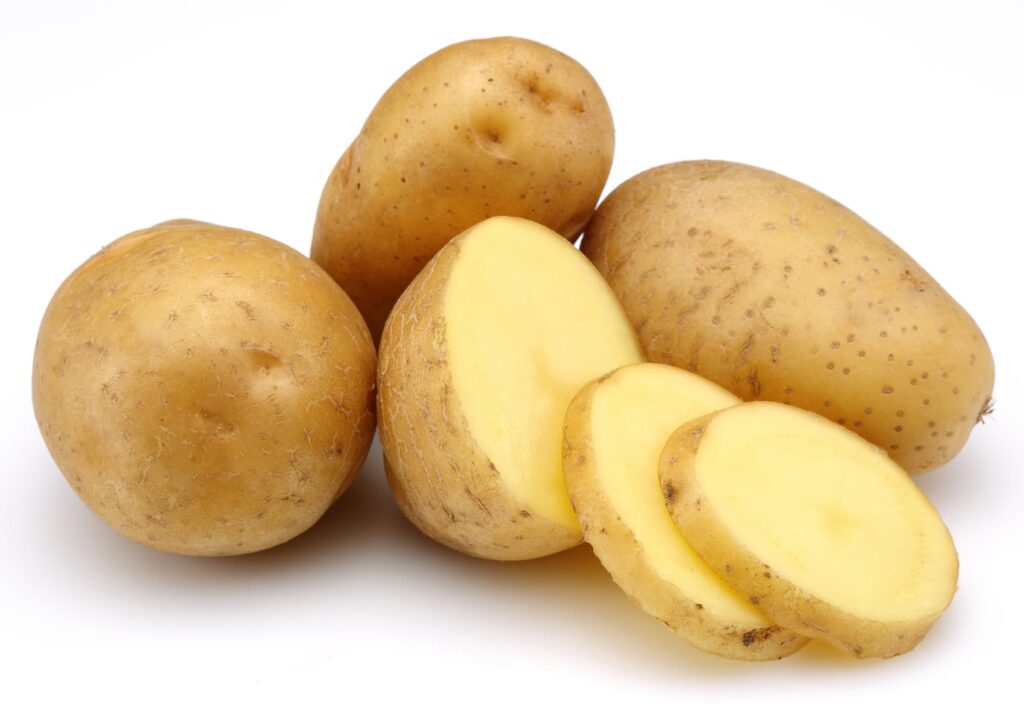

A visual comparison of a healthy potato and one affected by the PMTV virus.
The Biosecurity Mandate: Templeton Farms’ Example
In the face of such a threat, implementing and maintaining rigorous biosecurity measures is the most powerful tool a grower has. This includes everything from limiting the movement of contractor vehicles to ensuring all gear and machinery are meticulously cleaned. Leaders in the industry, like Templeton Farms, understand this implicitly. They’ve long maintained strict protocols, including a dedicated high-pressure wash station for gear, clothing, and equipment, setting a gold standard for farm hygiene. It’s this proactive approach that shields their operations and helps protect the broader industry.
Rhima’s Role: Industrial Washing Solutions for Biosecurity
Manual cleaning and traditional washing methods often fall short when dealing with persistent, soil-borne pathogens. That’s where industrial-grade solutions come in. At Rhima, we’ve spent decades developing robust washing systems designed for exactly these kinds of challenges. Our industrial bin washers provide a complete sanitisation cycle, using high-pressure water and high temperatures to thoroughly clean bins, crates, and other equipment. This process is far more effective than manual scrubbing and is a critical first step in preventing cross-contamination.
But biosecurity extends beyond just equipment. Workers’ clothing and footwear are also a major pathway for pathogen spread. Our BlastWash systems offer an industrial-strength solution for washing workwear, boots, and other personal protective equipment. By integrating an industrial washer into your biosecurity protocols, you’re not just adding a piece of machinery; you’re implementing a reliable, sanitised defence system against threats like PMTV. It’s an investment in the long-term health and viability of your farm.
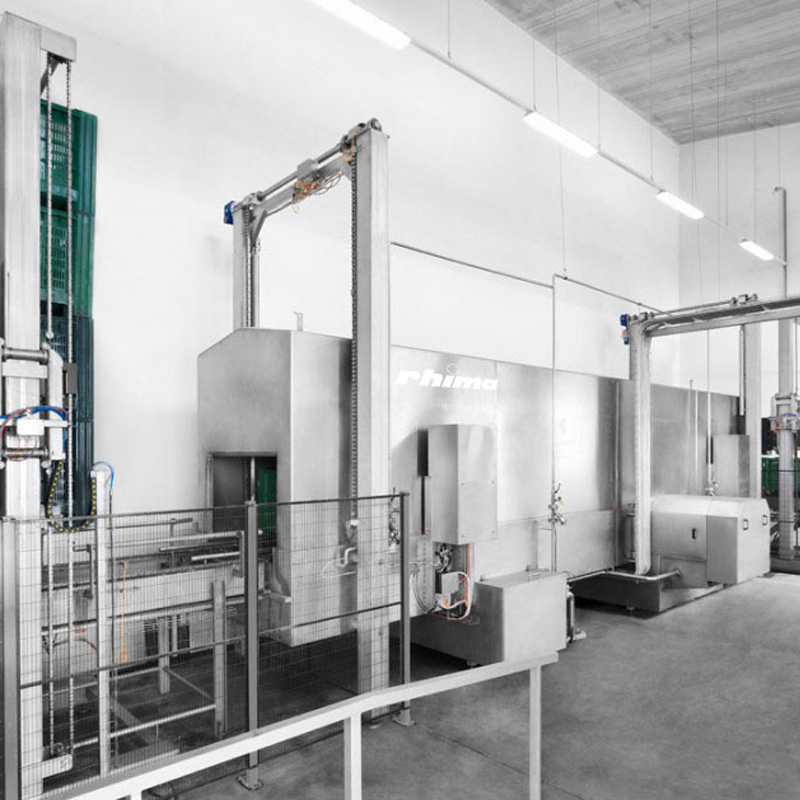
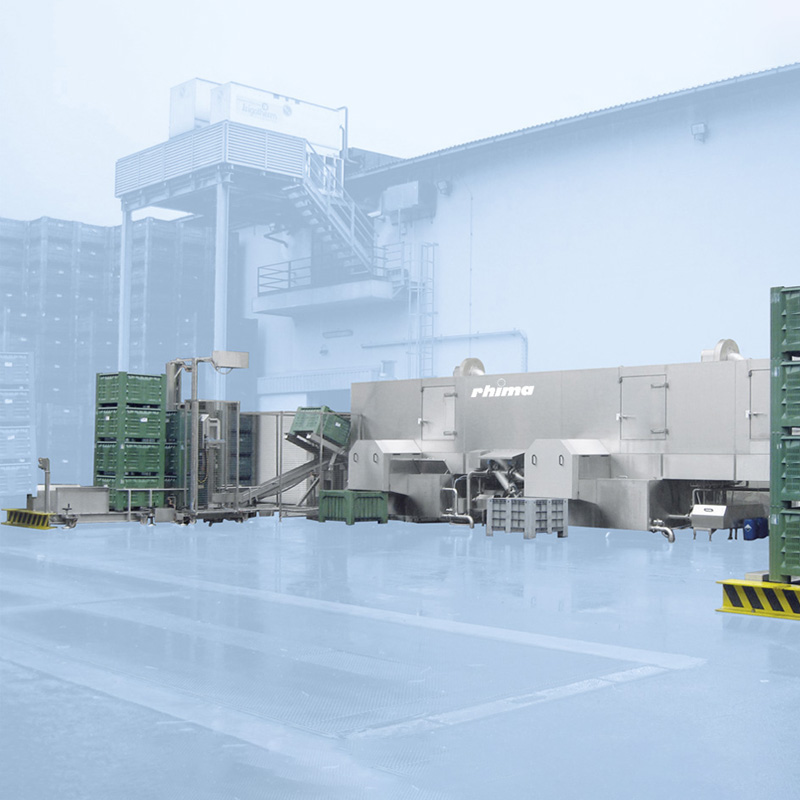
Rhima’s industrial bin washers provide a reliable and thorough cleaning solution for farm equipment.
Video Resource
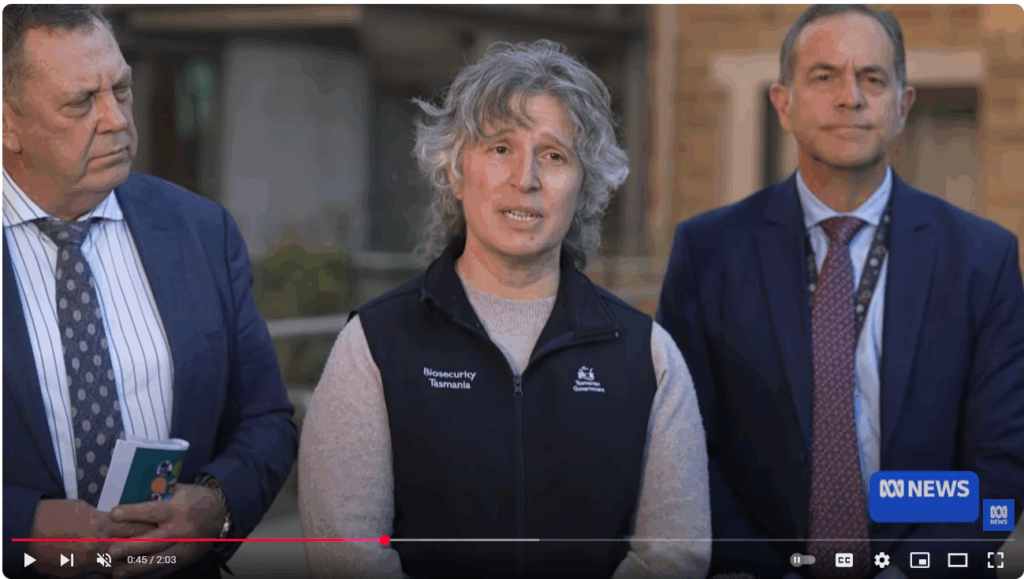
For more information on some simple steps you can take to protect your farm or property, check out this video:
Ready to Boost Your Biosecurity?
Don’t wait for a biosecurity event to take action. Talk to the experts at Rhima about a tailored washing solution that fits your farm’s needs.