
The Australian healthcare landscape has seen a significant shift with the introduction of the AS 5369:2023 standard. For many dental and general practice clinics, this update brings a new level of clarity, but also plenty of questions regarding daily sterilisation workflows. As of December 2023, this unified standard has officially superseded the older AS/NZS 4815 and AS/NZS 4187, creating a single benchmark for the reprocessing of reusable medical devices across Australia.
AS 5369:2023 Compliance for Dental and Medical Clinics: What You Need to Know
Understanding the transition to AS 5369
The primary goal of AS 5369:2023 is to ensure that patient safety is never compromised by inconsistent cleaning processes. Previously, smaller clinics and large hospitals often operated under slightly different guidelines. That gap has now closed. Whether you are a single-chair dental surgery in Melbourne or a large multi-disciplinary medical centre in Sydney, the expectations for validated, reproducible cleaning are now the same.
While the new standard doesn’t explicitly state that a clinic is legally required to throw out their manual scrubbing brushes overnight, the emphasis on “process control” makes manual cleaning a difficult path to maintain. To meet accreditation requirements under the NSQHS or primary care frameworks, practices must demonstrate that their cleaning is consistent. This is where the shift toward automation becomes less of a luxury and more of a practical necessity for modern Australian practices.
Why automated cleaning is the new benchmark
The transition to an instrument washer disinfector (IWD) is often driven by the need to remove human error from the equation. Manual cleaning is notoriously difficult to standardise. Different staff members, varying water temperatures, and the inherent risks of handling sharp instruments all create variables that can lead to a breach in infection control.
An automated washer disinfector provides a validated thermal disinfection cycle that manual scrubbing simply cannot match. By using a machine, your clinic ensures that every load of instruments is treated with the exact same temperature and detergent concentration every single time. This creates a repeatable record of compliance that makes the accreditation process much smoother for practice managers.
Streamlining the workflow with Rhima solutions
At Rhima Australia, we have spent years refining equipment that fits the specific spatial and operational needs of Australian clinics. Moving to an automated system isn’t just about compliance; it’s about efficiency.
For clinics with limited space, the Deko 25 is a compact powerhouse. It fits into standard sterilisation room layouts while providing the same level of thermal disinfection found in large scale hospitals. For busier practices, our underbench and benchtop models offer integrated drying cycles. This is a critical feature under AS 5369:2023, as damp instruments are a known risk for re-contamination. By ensuring instruments emerge both disinfected and bone-dry, you can move them straight to the steriliser without delay.
Future proofing your practice
The move toward AS 5369:2023 is a clear signal that Australian standards are aligning with global best practices. Investing in a high-quality washer disinfector allows your team to focus on patient care rather than spending hours at the sink. It reduces the risk of needlestick injuries and ensures that your clinic remains at the forefront of infection prevention.
If you are looking to audit your current reprocessing area or want to see how an automated solution can fit into your existing layout, the team at Rhima is here to help. Our range of equipment is specifically designed to meet these new standards, providing you with a reliable, long-term solution for your practice’s safety and compliance.
Explore the Rhima range of medical and dental washer disinfectors at https://www.rhima.com.au/medical/dental-instrument-washers/ to find the right fit for your facility.
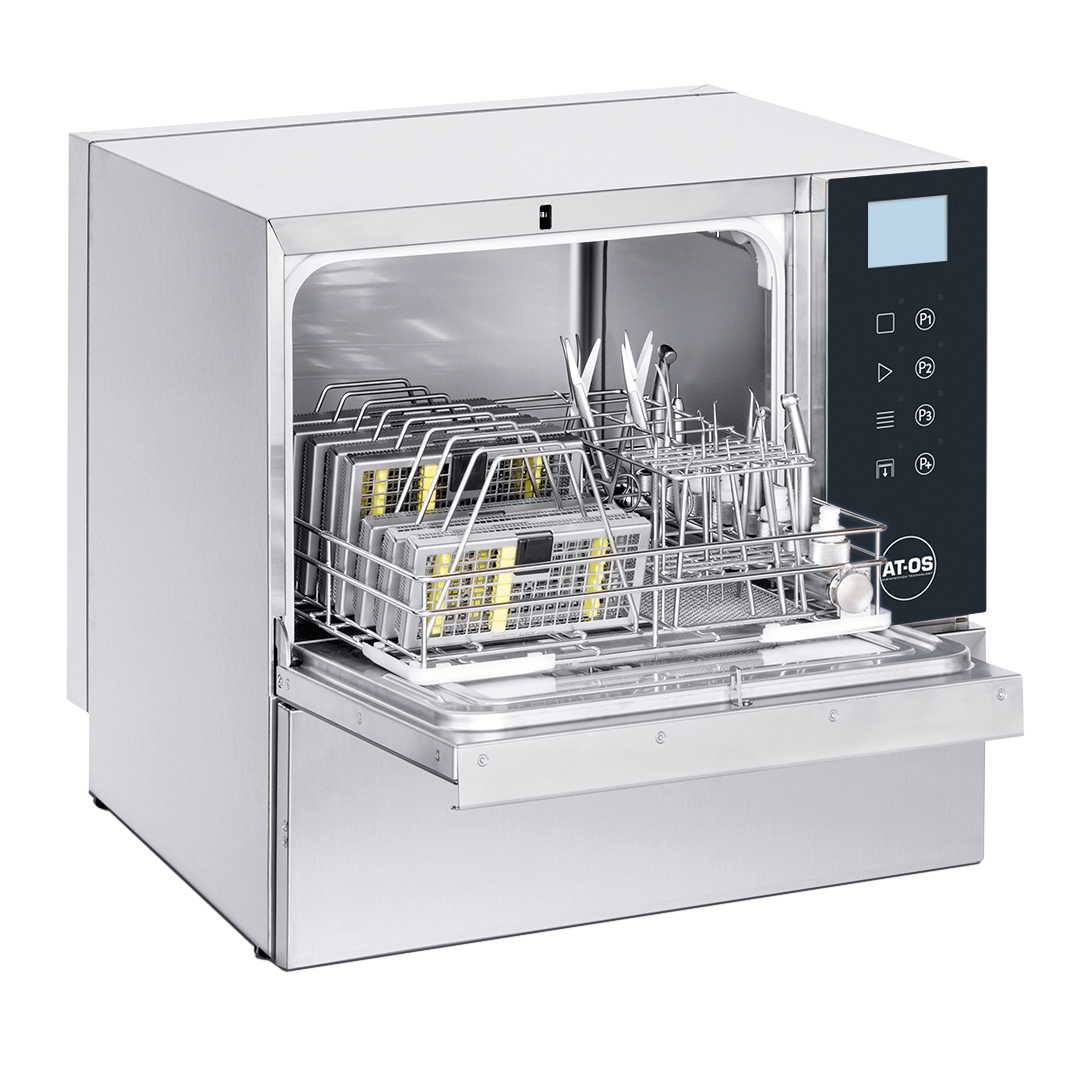
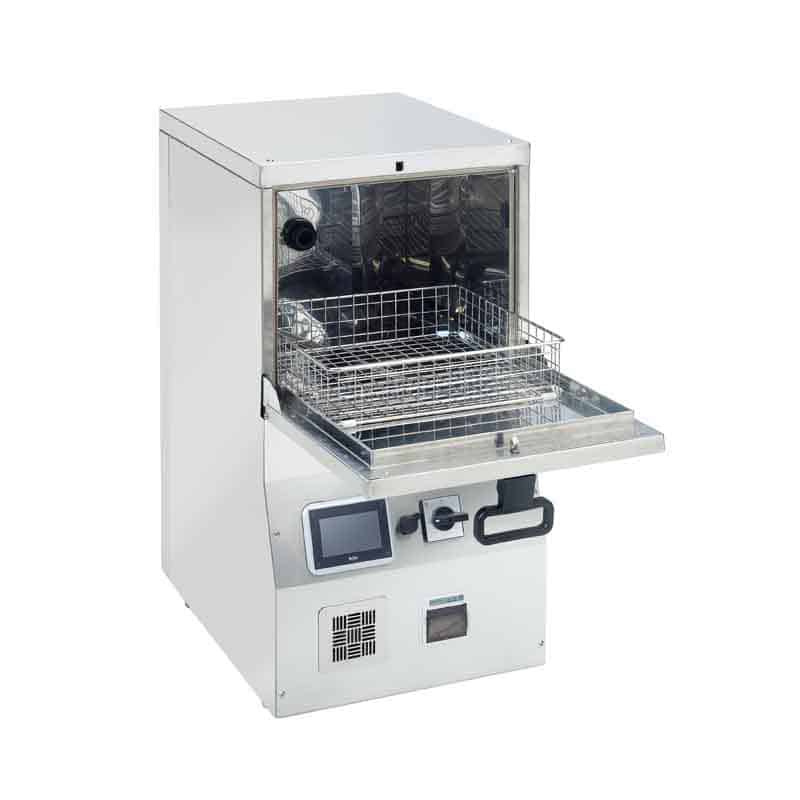
Visual representation of Rhima’s Instrument Washer Disinfectors